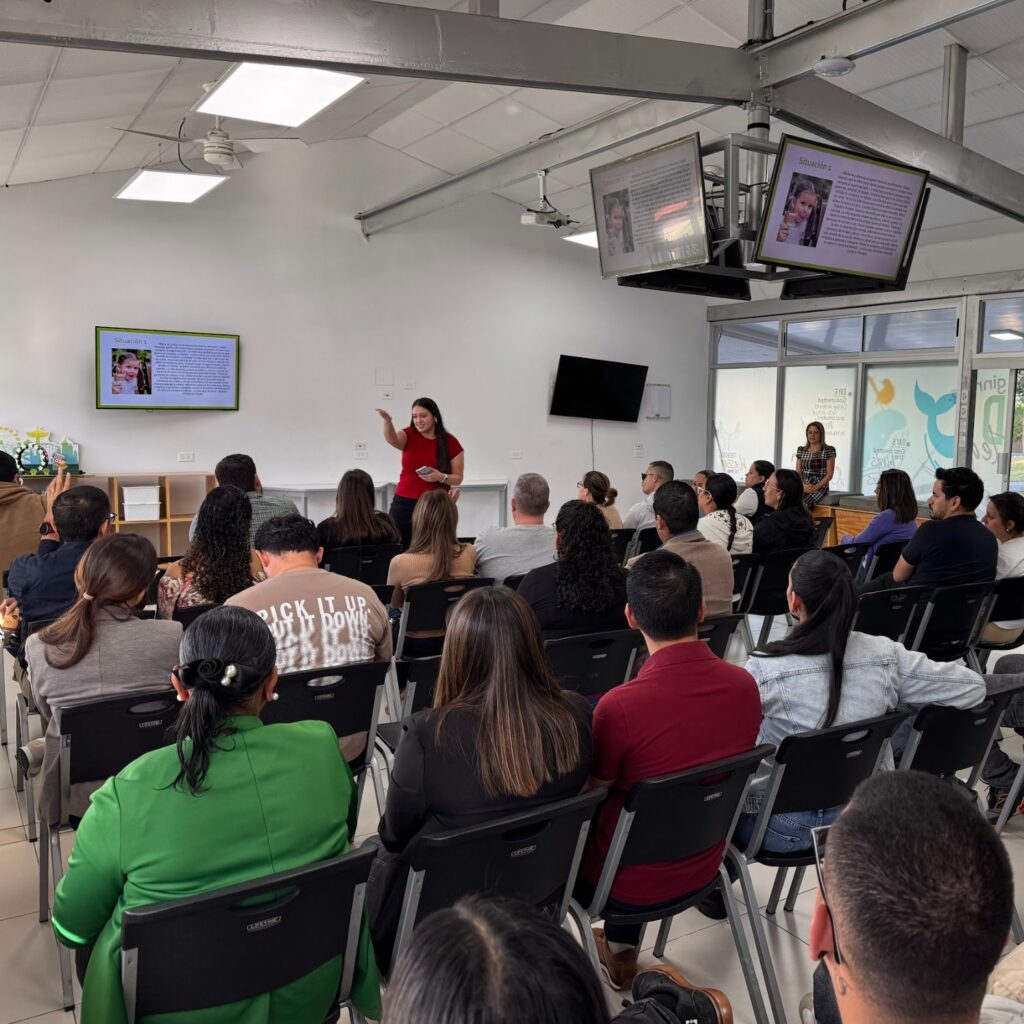
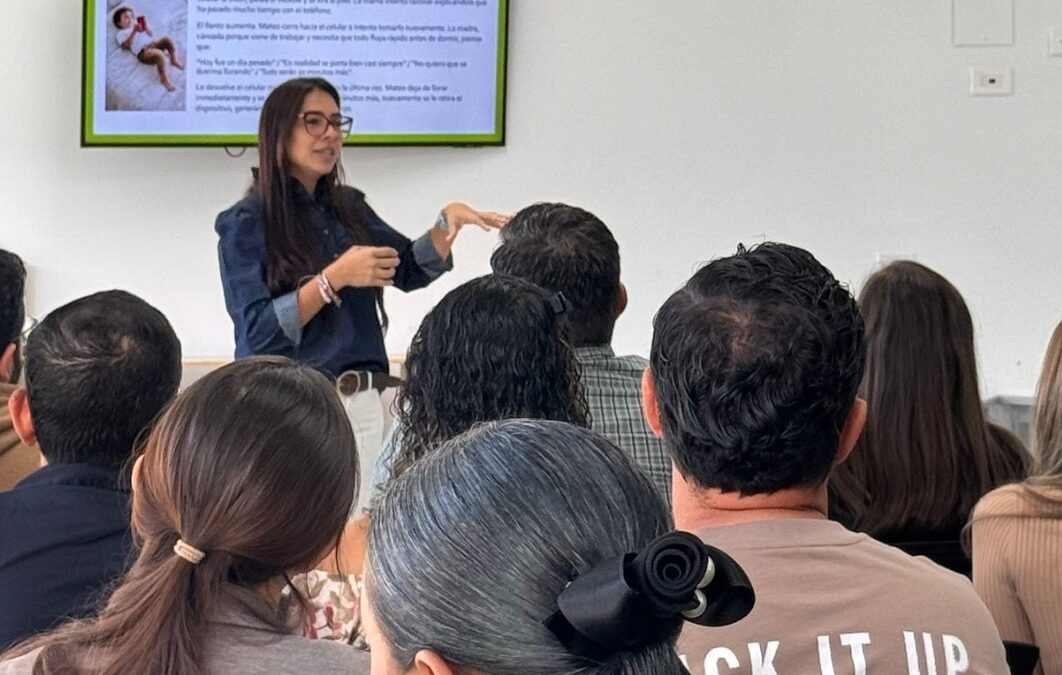
Parenting is perhaps the most rewarding journey a person can undertake, yet it often feels like navigating unmapped territory. For Christian families in Costa Rica seeking a bilingual, values-based education, the challenge is twofold: we want our children to excel academically while remaining anchored in faith. At our recent preschool workshop, we sat down with parents to discuss a vital architectural element of a child’s heart: Tender puentes con límites bíblicos.
Setting boundaries isn’t about restriction; rather, it is about creating a safe harbor where children can explore, fail, and succeed under the guidance of love and logic. By aligning our discipline with Scripture, we provide our little ones with a roadmap that leads to emotional intelligence and spiritual maturity.
The Blueprint: Why Biblical Boundaries Matter
In a world that often leans toward moral relativism, children require a firm foundation. We believe that Tender puentes con límites bíblicos starts with understanding that rules are not the enemy of freedom; they are the guardians of it. Just as a bridge requires sturdy railings to ensure a traveler reaches the other side safely, children need clear expectations to navigate their development.
The Bible provides the ultimate manual for this construction. When we look at Proverbs 22:6, we see a promise: “Train up a child in the way he should go: and when he is old, he will not depart from it.” This “training” is an active, daily process of setting limits that reflect God’s character—consistent, just, and infinitely loving.
The Connection Between Discipline and Love
Many parents hesitate to set firm boundaries because they fear it might stifle their child’s spirit. However, Hebrews 12:11 reminds us that while discipline may seem painful for a moment, it later yields the “peaceful fruit of righteousness.” In our preschool classrooms, we see this daily. Children who understand their boundaries feel more secure because they know exactly where they stand.
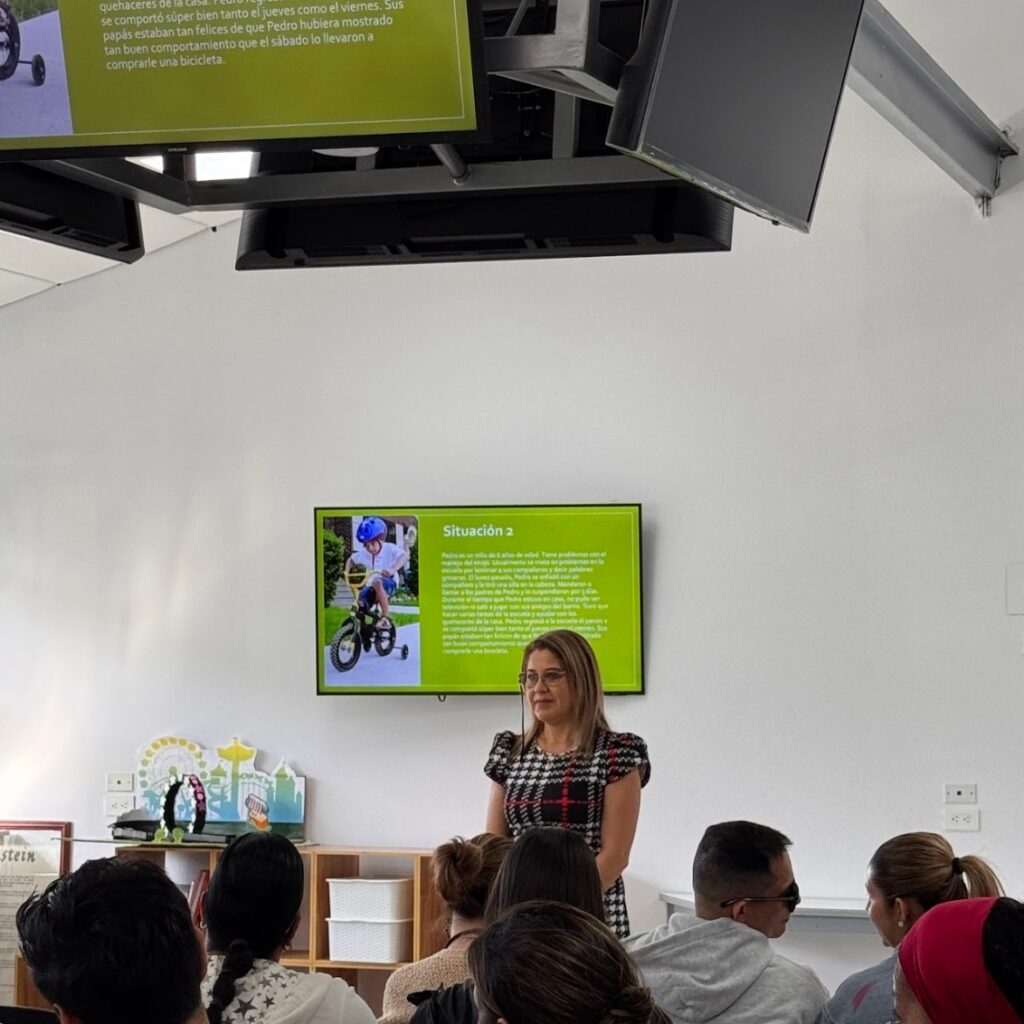
3 Pillars of Building Bridges with Biblical Boundaries
During our workshop, we identified three core strategies that help parents implement these concepts at home. These pillars ensure that the “bridge” between parent and child remains strong and traversable.
1. Consistency: The Mortar of the Bridge
Consistency is the most difficult yet essential part of parenting. When a “no” means “no” on Monday, it must also mean “no” on Friday. Without consistency, the boundary becomes a moving target, leading to frustration and anxiety for the child.
- Practical Tip: Choose three non-negotiable house rules based on fruit of the Spirit (Galatians 5:22-23), such as kindness and self-control.
- The Result: Children learn to trust your word, which eventually helps them trust the Word of God.
2. Emotional Intelligence and Empathy
Setting a boundary does not mean ignoring a child’s feelings. We encourage parents to “connect before they correct.” If a child is throwing a tantrum, they are often communicating a need they cannot yet verbalize.
- The Approach: Acknowledge the emotion (“I see you are frustrated because you want that toy”) before enforcing the boundary (“But we do not hit our friends”).
- Biblical Parallel: Just as Christ sympathizes with our weaknesses (Hebrews 4:15), we must empathize with our children’s developmental struggles.
3. Empowerment Through Choice
As children grow, the goal of Tender puentes con límites bíblicos is to move from external control to internal self-regulation. We can empower preschoolers by giving them “contained choices.”
- Example: “Would you like to put on your shoes now or after we finish this story?”
- The Benefit: This fosters autonomy within the safety of the parent’s established boundary.
Why a Values-Based Bilingual Education is Essential
In Costa Rica, parents have many choices for education. However, choosing a school that reinforces the lessons learned at home is paramount. At our institution, we don’t just teach English and Mathematics; we integrate Biblical principles into every interaction.
When your child is at school, are the boundaries they encounter consistent with your family’s faith? We strive to be an extension of your home. By choosing a bilingual program that prioritizes character development, you ensure that your child is learning to navigate both the global market and the spiritual kingdom.
“A child’s heart is like a garden; if we do not intentionally plant seeds of discipline and grace, the weeds of the world will take root.”
Practical Steps for Parents This Week
If you are looking to start Tender puentes con límites bíblicos in your own home today, consider these three actionable steps:
- Pray Over Your Boundaries: Ask God for wisdom (James 1:5) to discern which areas of your child’s behavior need more structure.
- Speak Life: Use positive reinforcement. Instead of only pointing out what they do wrong, loudly celebrate when they stay within the boundaries you’ve set.
- Audit Your Tone: Colossians 4:6 tells us to let our speech always be “gracious, seasoned with salt.” A boundary delivered in anger often creates a wall; a boundary delivered in calm authority builds a bridge.